
Pressure Drop Compressed Air Systems
Understanding Pressure Drop in Industrial Compressed Air Systems
In industrial applications, compressed air is crucial, but pressure drop—the loss of pressure as air moves through pipes and components—can affect system performance. In this blog, we’ll explore the causes, effects, and ways to minimize pressure drop in compressed air systems.
What Causes Pressure Drop?
- Pipe Length and Diameter: Longer pipes and narrower diameters increase resistance, causing higher pressure drop.
- Old outdated piping systems: Some decades ago almost all compressed air piping systems were made out of malleable fittings and steel pipes. These steel, or even galvanised , pipes have an irregular inner surface causing resistance.
- Airflow Rate: Higher airflow rates create more resistance and friction, resulting in greater pressure drop.
- Components: Fittings, valves, and filters introduce resistance. Clogged filters and poorly placed components worsen pressure drop.
- Leaks: Small leaks in the system can lead to significant pressure loss.
- Temperature: Temperature fluctuations can affect the air’s density, contributing to pressure drop.
Effects of Pressure Drop
- Reduced Efficiency: The compressor works harder to compensate, increasing energy consumption and costs.
- Decreased Performance: Tools and machinery relying on stable pressure may underperform, affecting quality and productivity.
- Increased Wear: Extra strain on equipment can reduce its lifespan.
- Unstable Control: Processes dependent on precise air pressure may become unstable.
How to Minimize Pressure Drop
- Proper Pipe Sizing: Use appropriately sized pipes to reduce resistance.
- Maintain Airflow: Ensure the system is balanced, with the right pressure for the application.
- Efficient Components: Invest in quality, well-maintained fittings, valves, and filters.
- Leak Detection: Regularly check and fix leaks to prevent unnecessary pressure loss.
- Optimize Compressor Settings: Avoid over-pressurizing and set the right pressure for efficient operation.
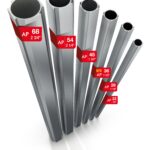
- Modern piping systems: these have a very smooth interior which create less friction. With very easy and fast installation methods the installation cost equals the more conventional systems. (ask us for more information HERE)
Conclusion
Managing pressure drop is crucial for improving the efficiency and longevity of a compressed air system. By understanding its causes and implementing solutions like proper design, regular maintenance, and leak detection, you can minimize energy waste, reduce costs, and keep your system running smoothly.
Looking for more information